
How does Alice in Wonderland fit into these mental stations?
While it may initially seem out of place as a work of fiction among clinical texts like the DSM-5 and esoteric works like The Kybalion, Alice in Wonderland is frequently analyzed as a profound exploration of psychology, identity, and the nature of reality.
It fits into the broader theme of these “mental stations” in a few key ways:
Questioning Reality and Logic: Many texts on this list (like the Tao Te Ching or the Hermetic teachings) ask the reader to look beyond conventional reality. Wonderland operates on dream logic and paradoxes, forcing Alice to abandon rigid, earthly rules and navigate a world where the impossible becomes possible, much like mystical and esoteric traditions require a shift in perspective.
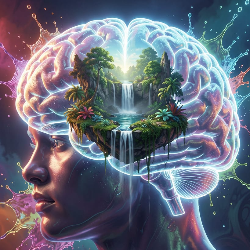
Exploring the Subconscious: In relation to works like Jung’s Synchronicity and The New Psycho-Cybernetics, Alice’s journey down the rabbit hole is widely interpreted as a metaphor for descending into the subconscious mind. The strange characters she meets can represent different facets of the human psyche, archetypes, and hidden anxieties.
The Crisis of Identity: A central theme of the book is Alice constantly questioning who she is (famously prompted by the Caterpillar asking, “Who are you?”). As she physically changes size and adapts to bizarre situations, her journey mirrors the inner transformations and the continuous unmaking and remaking of the self discussed in the alchemical texts and spiritual frameworks on the list.
Ultimately, the book serves as a “mental station” because it acts as a surreal, allegorical map for navigating the confusing, shifting, and sometimes irrational landscape of the human mind.