Genius, the Other Divergence
Reclaiming another Neurodivergent Reality
These sources present genius and high intelligence as natural forms of neurodiversity rather than as medical abnormalities.
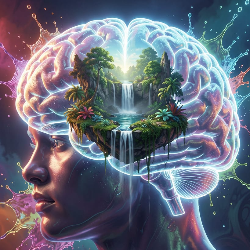
Viewing genius as a form of neurodivergence fundamentally shifts the understanding of exceptional intelligence from being a simple “advantage” to a distinct neurocognitive architecture that brings substantial, unique challenges. Rather than just having “more” intelligence, individuals at the extreme upper tail of cognitive distribution experience a divergence in how information is processed, integrated, and experienced over time.
This divergence creates several unique internal, systemic, and social challenges:
Internal and Cognitive Challenges
Asynchronous Development: Highly gifted individuals frequently experience a profound disconnect between their intellectual capabilities and their emotional or social development. This results in having immense cognitive speed and pattern density without the matching emotional scaffolding or shared language to navigate it
.
Twice-Exceptionality: Extraordinary intellectual ability often co-occurs with other neurodivergent traits, such as those associated with autism or ADHD
. This “twice-exceptional” profile means a genius might possess intense focus and rapid learning capabilities, but simultaneously struggle with uneven executive functioning, sensory sensitivities, or challenges in social cognition
.
Vulnerabilities of an Intense Inner World: A hallmark of high giftedness is a rich capacity for self-generated thought, including intense internal dialogues and imaginative simulations
. While this drives creativity, it also acts as a vulnerability; highly gifted individuals may excessively ruminate on negative social experiences or discriminatory encounters, which heightens anxiety, reinforces self-doubt, and amplifies feelings of alienation
.
Educational and Systemic Barriers
Structural Mismatch: Educational systems are rarely built for divergent minds. Highly gifted students frequently outpace traditional curricula, leading to severe boredom, disengagement, and underachievement
. Because their asynchronous learning profiles do not fit standard classroom routines, their lack of engagement is sometimes misidentified as a behavioral problem
.
The Burden of Translation and Masking: To survive in systems that are indifferent or hostile to their needs, gifted individuals are often forced to mask their divergence
. They must frequently “slow down, flatten out, or make itself smaller so the environment doesn’t have to change”
. Without proper care, instruction, and context, a divergent nervous system easily burns out trying to survive in rigid environments
.
Social and Intersectional Hardships
Social Isolation and Misinterpretation: The traits associated with this neurodivergence—such as directness, atypical communication styles, or a preference for solitary, deep work—are often misinterpreted as aloofness or disengagement
. This can lead to exclusion from peer groups, informal networks, and collaborative opportunities
. Furthermore, society often romanticizes or resents genius, assuming it brings an easy, unearned advantage while remaining blind to the exhausting realities of living with a divergent mind
.
Amplification by Systemic Prejudice: For marginalized individuals, the challenges of cognitive divergence intersect heavily with racism and misogyny
. As seen in the case study of a highly gifted Black woman mathematician, higher intelligence in marginalized groups is frequently dismissed, subjected to extreme scrutiny, or met with disbelief
. These individuals face stereotype threats that add cognitive load, drain working memory, and force their heightened processing speed to be used for basic survival and anticipating danger, rather than for achieving their true potential
.

About The Monkey Man
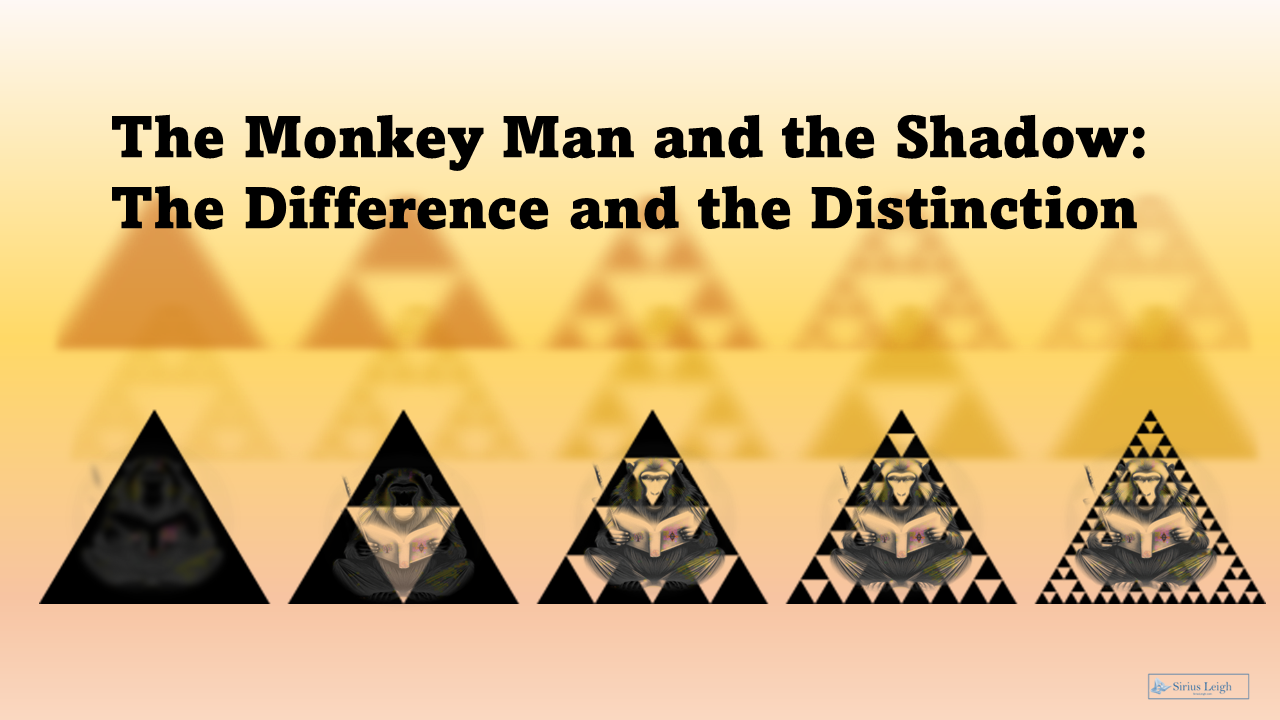
The Monkey Man and the Shadow: The Difference and the Distinction
Rhema for the Primal Mind
Monkey Man and Math Meet The Messiah