The Dance of Belief: the Pygmalion and the Galatea Effects
Why the Pygmalion and Galatea Effects Must Work Together for True Success
There’s a lot of conversation around transformation. Mindset shifts. Rewiring beliefs. Unlocking potential.
The language is everywhere, often wrapped in comfort. Flowers and bright colors designed to nurture the timid, soothe the anxious, and gently coax change into being.
But not all transformational work operates that way. And it’s important to say this clearly: not all growth is soft. Sometimes, the process that truly works doesn’t start with gentle words but readiness.
Ready for what?
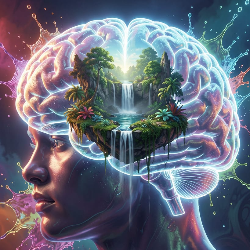
Before any meaningful mental shift can happen, two internal mechanisms must be in motion in your mind. The Pygmalion Effect and the Galatea Effect. These aren’t just abstract theories.
They’re the invisible engines behind real growth, real learning, and real self-redefinition.
What Are the Pygmalion and Galatea Effects?
The Pygmalion Effect refers to the phenomenon where higher expectations from others lead to improved performance. The name comes from the Greek sculptor Pygmalion, who carved a statue so beautiful he fell in love with it, and brought it to life. The modern psychological version? When someone sees something in you, believes you can rise, and treats you accordingly, you’re far more likely to become that version of yourself.
In the 1960s, researchers Rosenthal and Jacobson demonstrated this in classrooms. Teachers who were told that random students were “gifted” unknowingly treated them differently.
More attention, more challenge, more encouragement, and those students significantly outperformed their peers.
But here’s the twist: that kind of growth only works if the person on the receiving end believes they can rise.
That’s where the Galatea Effect comes in. It describes the power of self-expectation. When someone believes in their own capacity to perform, adapt, and grow, they are far more likely to do so, regardless of what others believe.
Self-perception fuels action.
When Galatea and Pygmalion align -when both the inner voice and the outer mirror say “Yes, you’ve got this” , transformation doesn’t just begin, it accelerates.
How the Effects Work Together
This isn’t just theory. It’s a model.
When Pygmalion and Galatea are in sync:
The challenge is set by someone who believes you can meet it.
The desire is sparked by a self who knows it’s capable.
The action taken reinforces both beliefs.
Momentum builds, not by accident, but by alignment.
This is the power source of real transformation.
And in this model, we don’t have to waste energy convincing someone that they’re ready. They already know. We simply match that knowing with tools, structure, and unapologetically high standards. Not to crush, but to clarify. Not to intimidate, but to ignite.
How to Know If You’re Ready
This is the real invitation. Ask yourself:
- Do I want something more than insight – I want change?
- Do I trust myself enough to be challenged, even if it’s uncomfortable?
- Do I expect enough from myself to be stretched without needing constant validation?
If so, good. Because the world doesn’t change because we protect each other’s fragility. It changes when people who know their strength walk directly into challenges and let them do their work.
When Belief Becomes Action
The Pygmalion Effect and the Galatea Effect aren’t just useful ideas. They’re the scaffolding of every meaningful change you’ve ever made. Someone believed in you, or you believed in yourself enough to try. And that belief became behavior. That behavior became skill. That skill became identity.
And the cycle continues.
So if you’re reading this and you know you’re ready to be met with challenge, not comfort, welcome. You’ve already done the hardest part. You’ve decided you’re capable.
And we believe you are too.
Before the great sorting of stars, before light found its speed and time its tick,there was only…
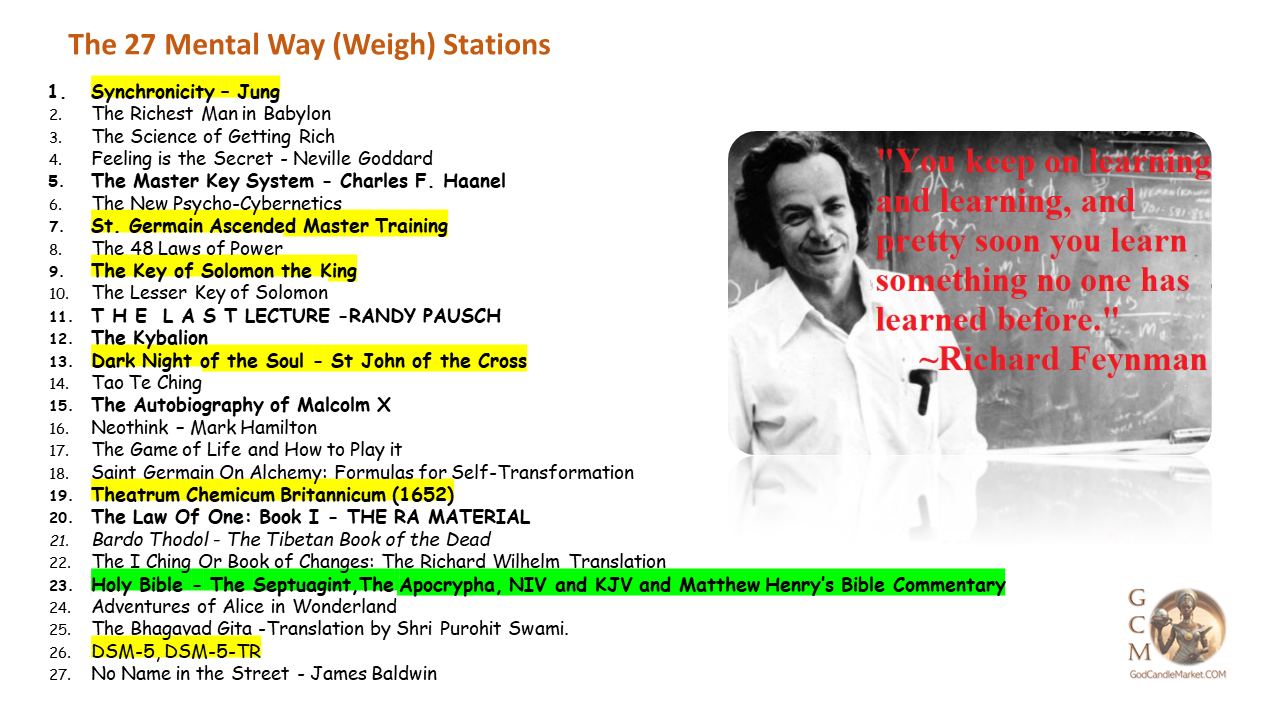
27 Way–Weigh Stations In the crucible of grief and awakening, I found myself guided not by prophecy,…